
The Vision for Tazmamart: 18 Years of Darkness
As the writer of Tazmamart: 18 Years of Darkness, my journey began several years ago when I encountered the book Cell Number 10, which recounts the experiences of a survivor from Tazmamart Prison. The profound emotional impact of the narrative compelled me to delve deeper into the stories of those who endured the horrors of this infamous facility. I was struck by the juxtaposition of human cruelty and the remarkable capacity for resilience and adaptation that these men exhibited. This duality became the foundation of my artistic vision for the film.
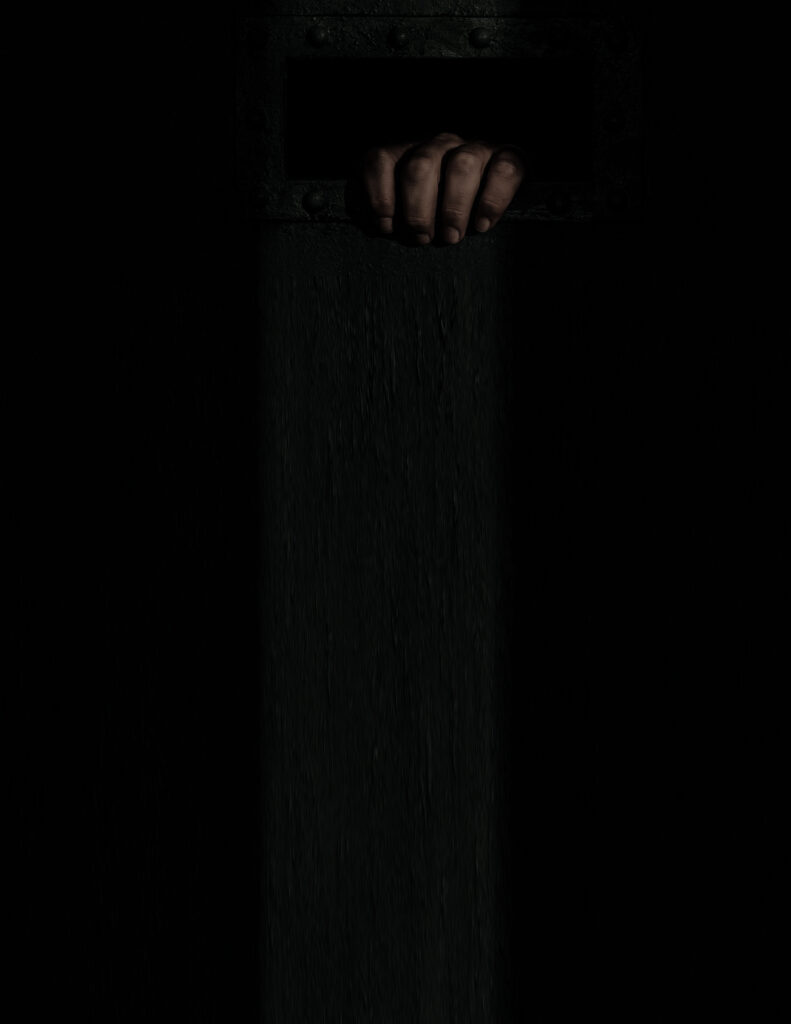
My goal is to create an immersive experience that transports the audience into the dark, oppressive world of Tazmamart. By shooting much of the film in the claustrophobic confines of the prisoners’ cells, I aim to evoke the feelings of helplessness, pain, and despair that the inmates faced daily. However, I also want to highlight the moments of joy, camaraderie, and hope that emerged amidst the suffering. Through a combination of subjective and objective shots, I intend to capture the full spectrum of human emotion, allowing viewers to connect deeply with the characters and their plight.
Thematically, the film serves as a reminder of the ongoing struggles against injustice and oppression worldwide. It is my hope that Tazmamart will not only shed light on a dark chapter in Moroccan history but also resonate with audiences on a universal level, inspiring empathy and a call to action against human rights violations. By sharing these stories, I aspire to honor the memory of those who suffered and to encourage a dialogue about the importance of compassion and advocacy in our society.
– Faical Benhaida
Visual Approach
I consider this project to be highly innovative in the way it addresses the challenges at hand. The first challenge is how to portray the physical changes experienced by the prisoners. The second challenge is creating a controllable environment for filming.
Physical Changes
The prisoners received no protection from the extreme summer heat or the harsh winter cold. There was no medical treatment for injuries caused by torture or diseases such as tuberculosis, and the food rations were minimal. Under these conditions, the human body deteriorates rapidly. The use of CGI will enable us to effectively depict these physical changes.
The Prison
The prisoners were confined to cramped, single-person underground cells 24 hours a day, with no human contact and no light. By combining physical sets with CGI, we will be able to replicate the prison environment and create a controllable shooting space that allows for creative camera work.
Casting
By utilizing actors from both theater and film, I aim to foster dynamic interactions that will result in varied and organic performances. This approach will enhance the authenticity of the characters and their experiences, bringing the story to life in a compelling way.
Be Part of the Journey
Whether you’re a filmmaker, investor, or collaborator, be part of the journey to bring this vision to life.